The Ayahuasca Dieta Explained: What Centers Require and Why
What the preparation diet really is, the food rules with a medical reason behind them, what Peru centers require, master plant dietas, and common mistakes.
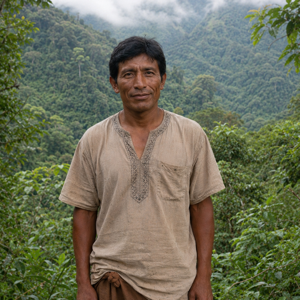 By Luis Quispe, Peru-based retreat facilitator
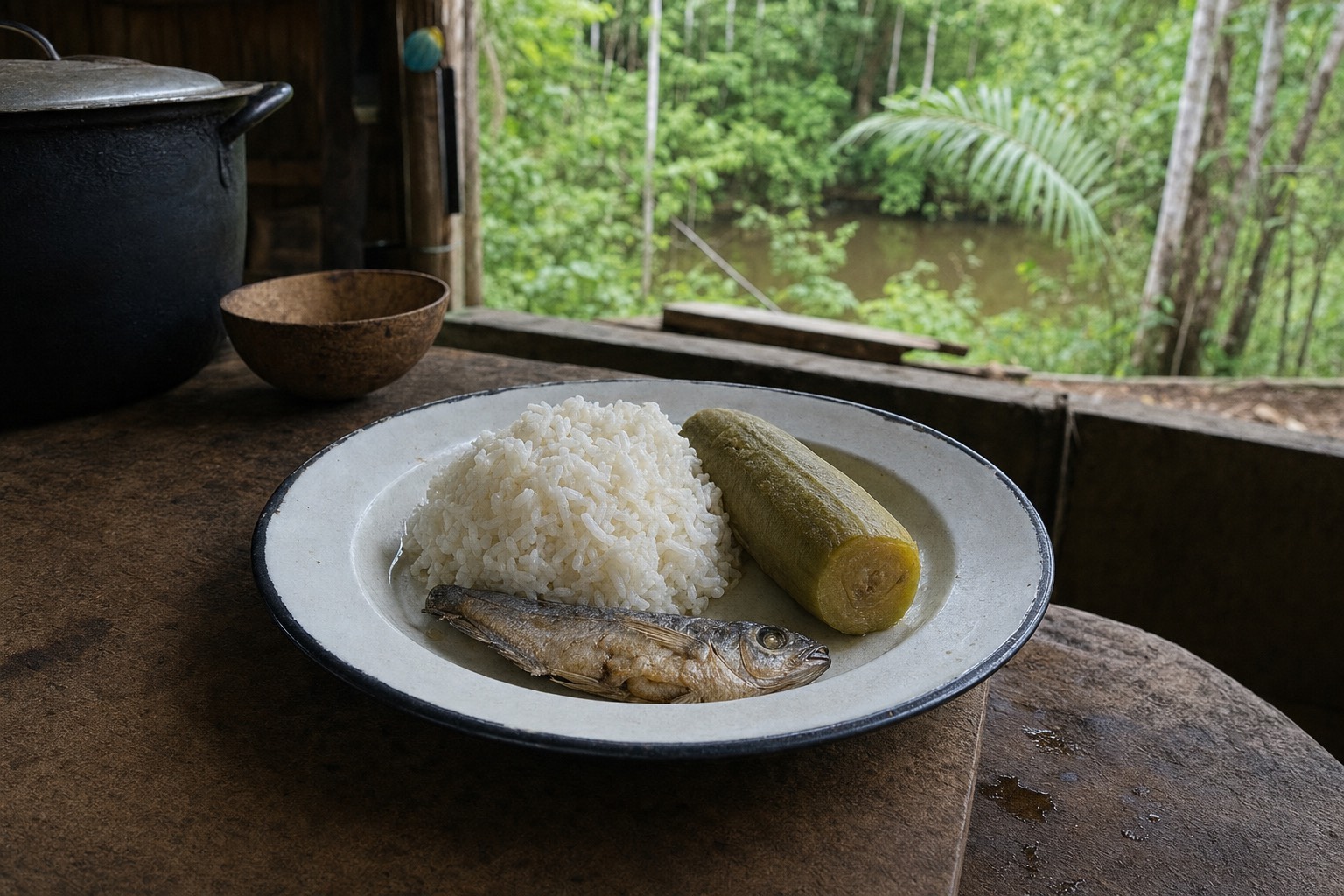
Every serious retreat in Peru will hand you a list of things to stop eating, drinking and doing before you arrive. Guests tend to receive it as spiritual homework, and part of it is exactly that. But a chunk of the dieta is pharmacology wearing traditional clothes, and knowing which rules are which changes how seriously you take them. One set protects the ceremony. The other set protects your heart rate and blood pressure.
I have watched guests treat the dieta as optional and guests treat it as sacred, and the difference shows by the second night. This piece separates the medical layer from the traditional layer, shows what centers actually require, and covers the mistakes that come up again and again.
What is the dieta, exactly?
The dieta is the preparation and containment practice around ayahuasca work: a stripped-down diet, abstinence from alcohol and other substances, usually abstinence from sex, and a general quieting of stimulation for days or weeks before ceremonies, often continuing after. In the Amazonian traditions it is not a pre-flight checklist but part of the medicine itself; how you arrive shapes what the brew can do.
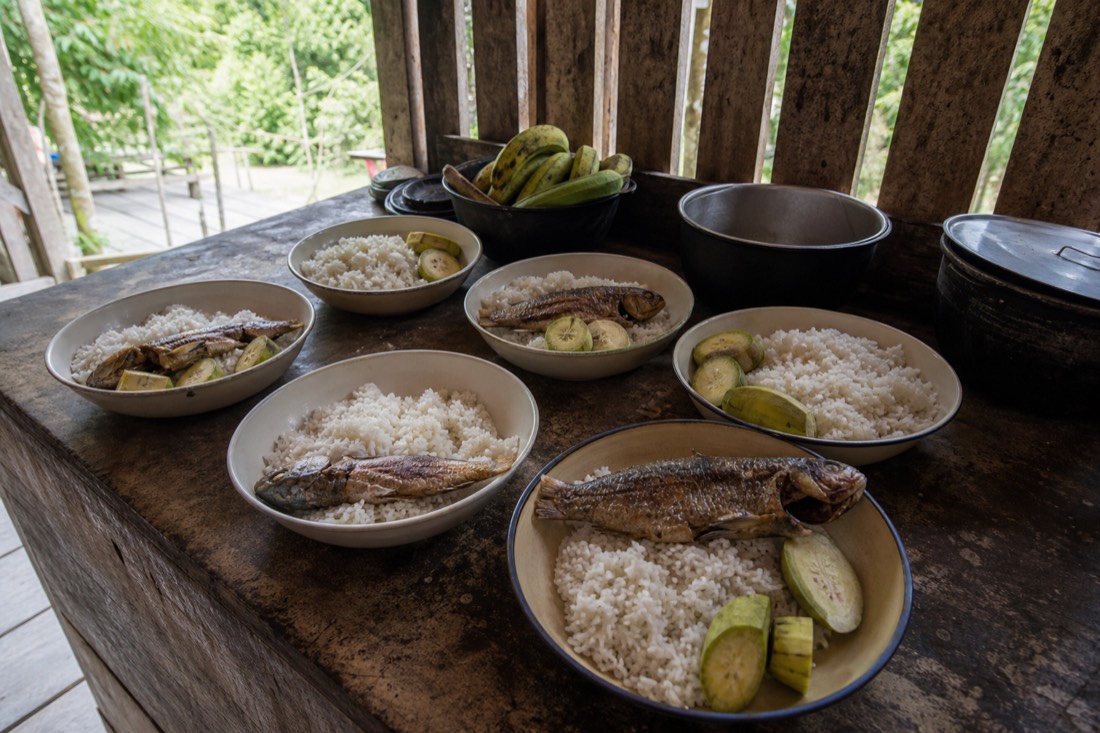
In practice, at retreat centers, the word covers two related things. First, the preparation diet every guest follows before and during a retreat. Second, the master plant dieta, a much deeper traditional practice of dieting a specific teacher plant in isolation, which only some centers offer and which deserves its own section below. Mixing up the two leads to confusion about what you are signing up for.
It helps to sort the rules you receive into their two layers from the start:
| Rule | Layer | What it protects |
|---|---|---|
| No aged, cured or fermented foods | Medical | Blood pressure: the tyramine and MAOI interaction |
| Full medication disclosure and washout | Medical | Against serotonin syndrome and other drug interactions |
| No alcohol or recreational drugs | Both | Interactions, and arriving with a clear system |
| Reduced salt, sugar, oil; no pork | Traditional | The sensitivity and openness the tradition works with |
| No sex before and during | Traditional | Energetic containment, in the tradition's own terms |
| Quiet, low stimulation before arrival | Traditional | The state you walk into ceremony carrying |
The traditional layer deserves respect on its own terms; centers hold it seriously and guests who honor it consistently describe smoother work. But if you shortcut anything, never let it be the medical layer.
Why do the food rules exist? The MAOI problem
Here is the part that is not negotiable, and not mystical. Ayahuasca contains harmala alkaloids that act as monoamine oxidase inhibitors, MAOIs. Monoamine oxidase is the enzyme your gut uses to break down tyramine, a compound concentrated in aged, cured and fermented foods. Inhibit the enzyme, eat a load of tyramine, and blood pressure can spike. This is the classic MAOI food interaction, and it is why the ICEERS good practice guidance treats diet before ayahuasca as a safety matter, not an etiquette matter; their safety profile of ayahuasca covers the pharmacology.
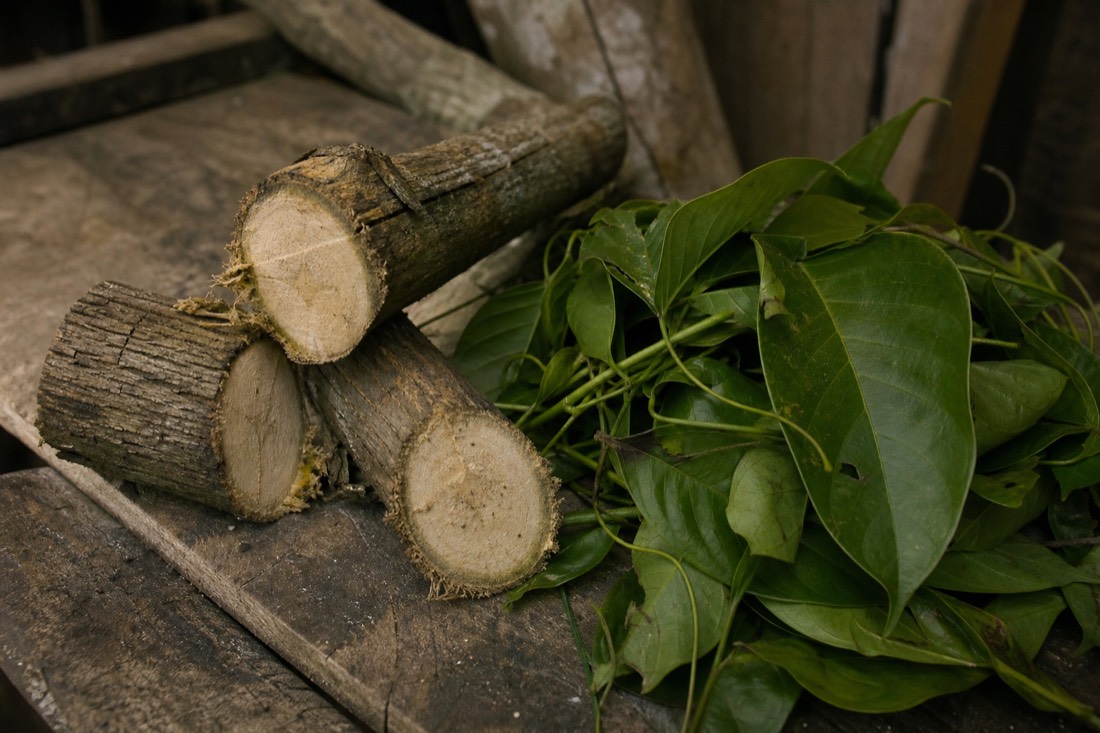
The same MAOI action is behind the gravest interaction: serotonergic medications. Combining the brew's MAO-inhibiting alkaloids with SSRIs risks serotonin syndrome, a potentially fatal reaction documented in the pharmacology literature since Callaway and Grob's 1998 paper. Confirmed cases are rare, but the risk is the harm-reduction consensus, and it is why the medication questions on a center's intake form matter more than every food rule combined. Never stop or taper a medication on a center's say-so, or on ours. That decision belongs to you and your doctor, with a washout period under medical supervision, commonly cited at 2 to 6 weeks or more for SSRIs.
What do Peru's centers actually require?
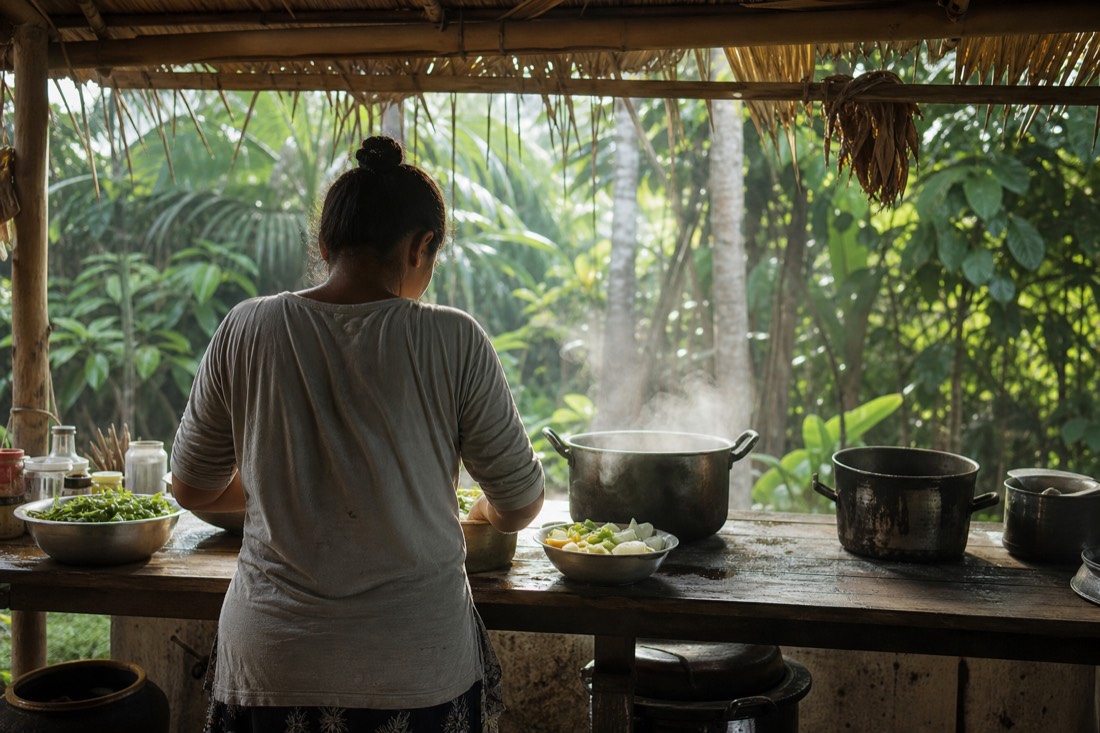
The specifics vary, which is itself useful information when you are vetting. The common core we see across centers: no alcohol, no recreational drugs, no pork, reduced salt, sugar and oil, no sex, starting days to weeks before arrival. Individual centers layer their own tradition on top, and the food served on site follows the same logic. AyaSelva's programs, for example, include meals kept within the diet for the whole stay, with vegetarian, vegan and gluten-free options, so guests are not managing compliance alone in the jungle.
Screening is the other half of the requirement. The Temple of the Way of Light runs a medical and psychological questionnaire developed with ICEERS and reviewed by a licensed doctor and psychologist. AyaSelva requires a confidential health questionnaire plus a personal intake call, with a published contraindication list. A center that hands you a strict food list but never asks about your medications has the priorities backwards; treat that as a red flag and check our safety page for the full vetting checklist. If a center's requirements confuse you, or two centers' rules contradict each other, ask us to untangle it before you book; it is free and we answer everything ourselves.
What is a master plant dieta?
The master plant dieta is the deep end: a traditional practice in which you diet a specific teacher plant for weeks or months, in relative isolation, on a severely restricted diet, under a curandero's supervision, with ayahuasca ceremonies punctuating the process. This is closer to apprenticeship than retreat, and it predates the tourism economy entirely.
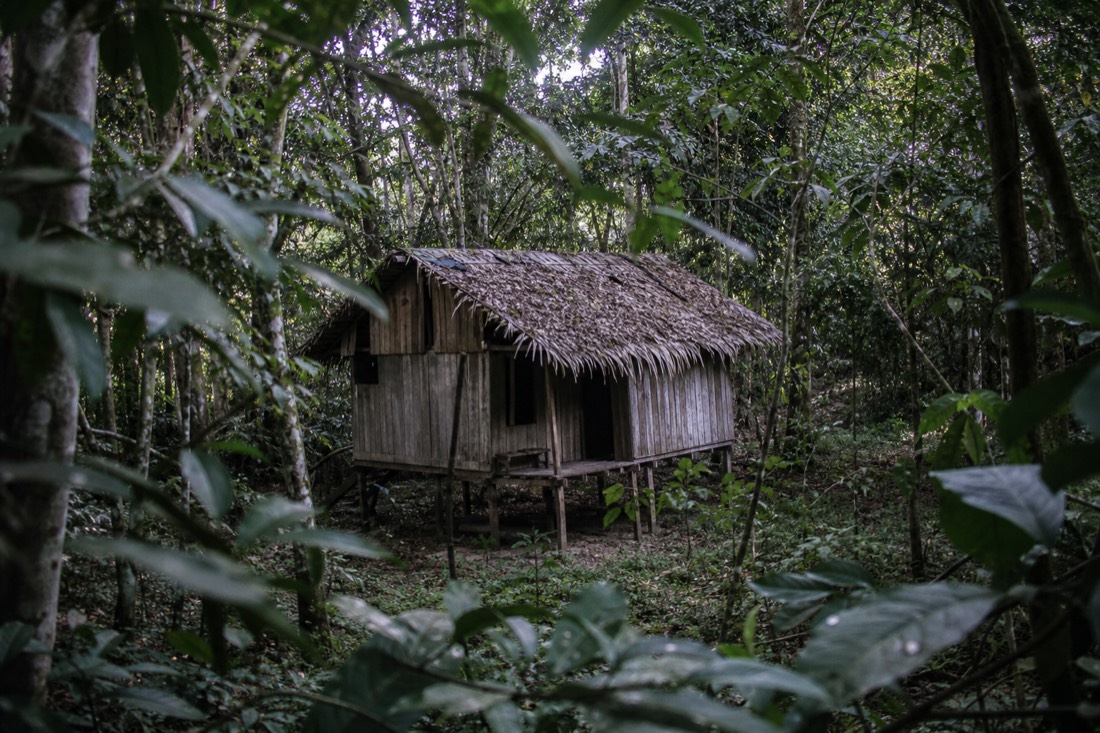
Only some centers offer it seriously. Nihue Rao, tied to the Amaringo and Munoz healer families, specializes in master plant dietas with stays running from a week to more than three months. AYA Healing Retreats builds a master plant dieta into its 11-day format. The dieta is also how healers themselves are made: the icaros a maestro sings, and the standing a lineage carries, come out of years of exactly this practice, which is why centers rooted in real healer families are the ones offering it at depth. The isolation is real and Reddit guests name it among the hard parts of long dietas, so this is not a format to book because it sounds authentic. Do a standard retreat first, then let a center that knows you recommend the longer work. Our piece on Shipibo lineage explains the tradition these dietas come from.
What are the most common dieta mistakes?
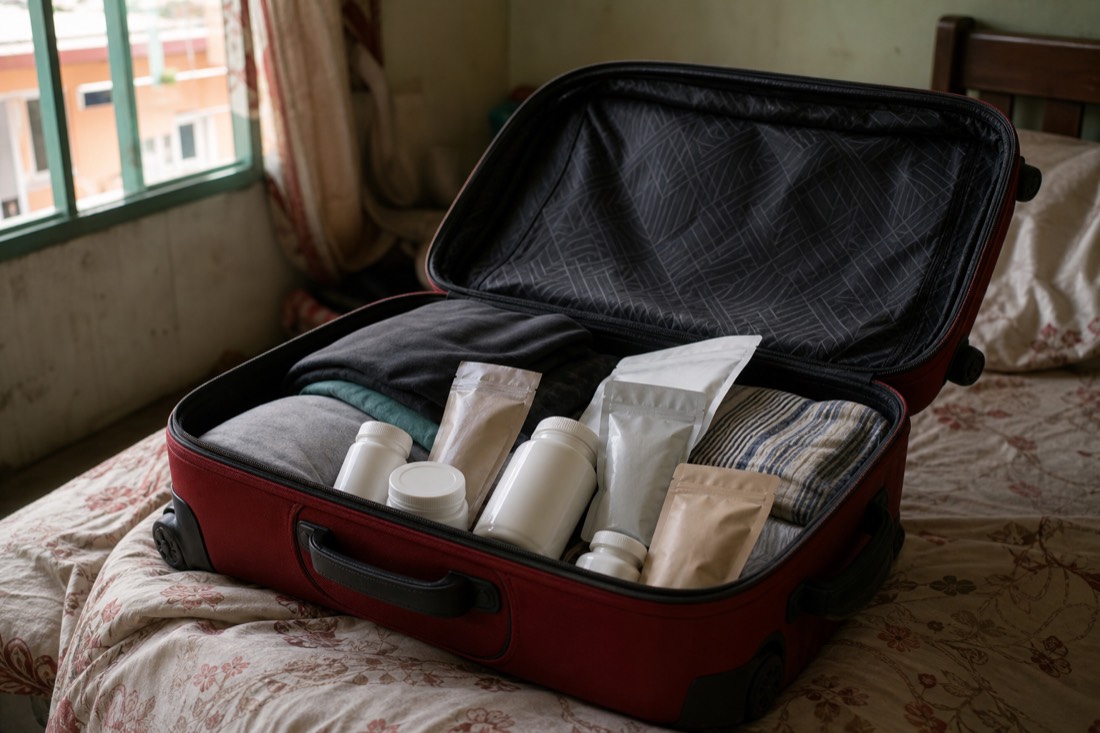
The mistakes we see and hear about cluster into a pattern, and the worst ones are all medical nondisclosure rather than food slips.
| Mistake | Why it matters |
|---|---|
| Not disclosing medications on intake | The single dangerous one: SSRIs and other serotonergic drugs interact with the brew's MAOIs. The 2025 death of an American tourist in Loreto was reported with possible undisclosed antibiotic use in the picture. Disclose everything, including supplements. |
| Stopping psychiatric medication alone | Withdrawal has its own risks. Washout only with your prescriber, on a real timeline, never cold turkey the week before. |
| Treating the dieta as a detox trend | Slashing food groups for weeks without guidance leaves some guests arriving depleted before day one. Follow the center's actual list, not a stricter internet version. |
| Starting the diet the day before the flight | Centers ask for days to weeks of lead time for a reason. Late compliance mostly cheats the tyramine and alcohol rules that carry the medical weight. |
| Quietly breaking the diet mid-retreat | Snacks smuggled from Iquitos undermine both layers, the pharmacological one and the trust between you and the people holding your ceremony. |
That 2025 case is on the public record via People's reporting, and we cite it not to frighten anyone but because it shows exactly where the real danger lives: in the gap between what a guest discloses and what is true.
Centers our research points to for this topic. Nobody pays for placement; every card links our full, sourced review.
Iquitos / Amazonfrom $1,6007 days to 3+ months
Nihue Rao Centro Espiritual
rating not on file yet
Confirmed operating in 2026
Read the full review →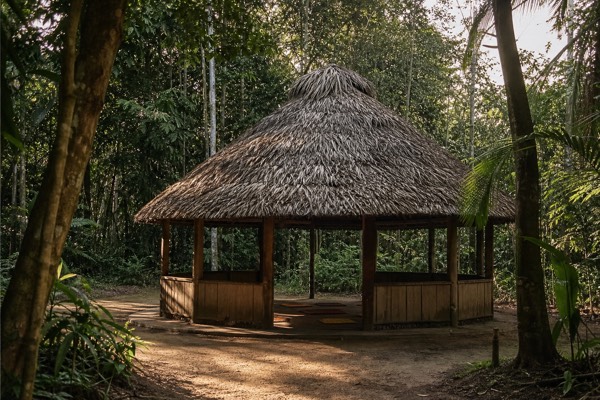
Iquitos / Amazon$1,200–$1,8007 or 12 daysmax 6 guests
AyaSelva Our pick
★ 5 across 29 Google reviews
Publishes real medical screening detail
Read the full review →Iquitos / Amazonfrom $1,250from 10 days
Psychonauta Foundation
★ 4.93 across 132 Retreat.guru
Directory-listed
Read the full review →Does the dieta continue after the retreat?
Traditionally, yes. Centers commonly ask guests to hold parts of the diet for days or weeks after the last ceremony, and the traditional view treats breaking the post-dieta as undoing the work. Whatever your view of that framing, the practical version holds: the weeks after a retreat are sensitive, alcohol reintroduced fast lands badly by many guests' own reports, and a gentle diet supports the integration period that Reddit veterans consistently rank as the part first-timers underestimate.
Ask each center on your shortlist three things: how long their pre-retreat diet runs, what their medication washout policy is and who reviews it, and what post-retreat guidance they give. The answers tell you fast whether their dieta is a safety system or a photocopied handout. If the replies you get back leave you comparing two different rulebooks, send us both and we will tell you which center is taking your safety more seriously; that is a normal consultation question and it costs nothing.
Compare how the centers we track handle screening on the comparison table, read our piece on integration after the retreat for the weeks the post-dieta is protecting, and read who should avoid ayahuasca before any of this, because for some medical histories the honest answer to the dieta question is not to drink at all.